Uncover the Charm of Modern Roof Lanterns: Architectural Trends for 2026
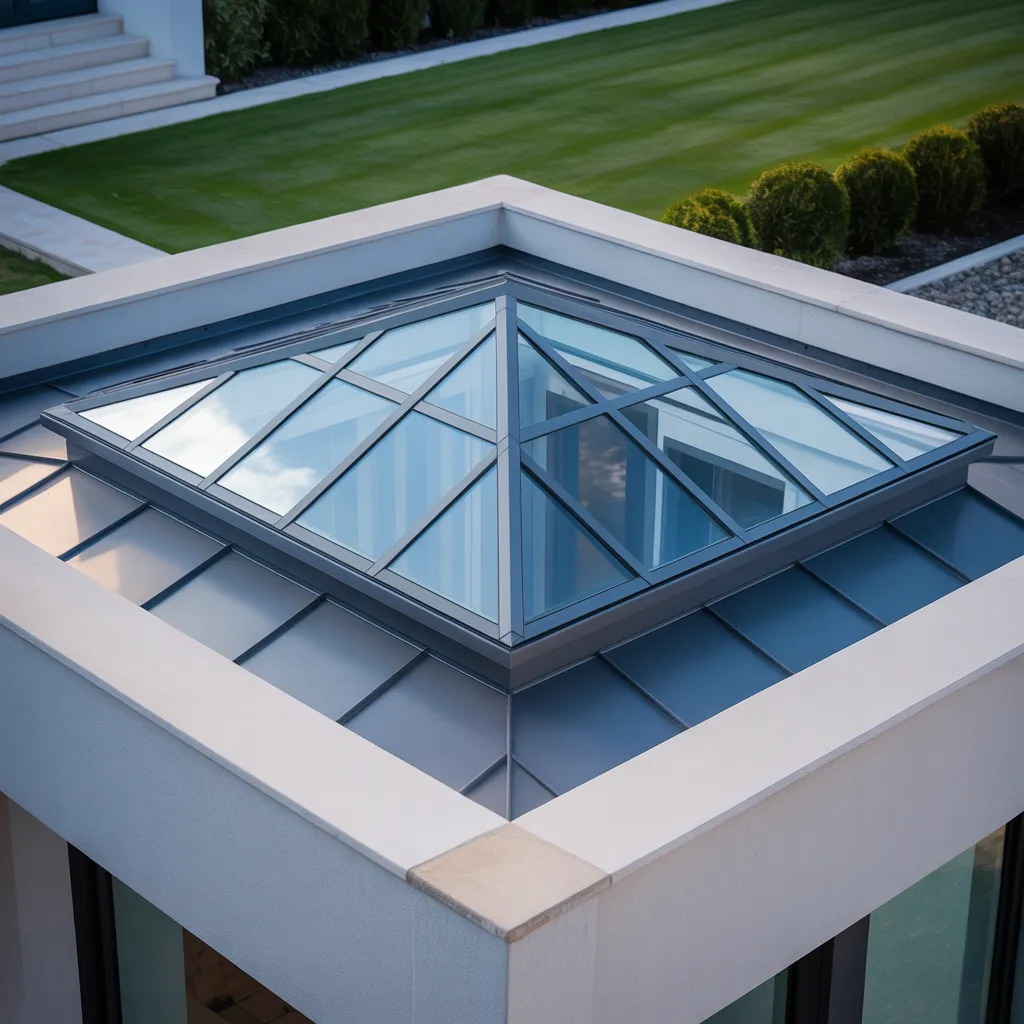
In 2026, progressive skylight designs are reformulating architectural expression. Their elegant angular constructions and adjustable design elements present both functional value and design distinction, connecting to modern aesthetic sensibilities. Sustainable material choices represent the current standard, championing green initiatives integrated with refinement. Modern glass innovations boost ambient daylight while delivering thermal performance. When these factors merge, they construct welcoming interior spaces that manifest a investment in ecological stewardship and beauty. What establishes these lanterns as essential to contemporary homes?
The Benefits of Installing a Modern-Day Roof Lantern
A contemporary roof lantern serves as a striking architectural addition that strengthens both aesthetics and functionality. By enabling natural light to fill a space, it substantially improves the atmosphere of interiors, establishing a bright and inviting environment. This inflow of natural light can reduce the dependence on artificial lighting, thus promoting energy efficiency and possibly decreasing electricity bills.
Additionally, roof lanterns can regulate indoor temperatures, facilitating enhanced ventilation and air movement. This may create a more enjoyable home space throughout the year. Their varied styles can match with multiple architectural aesthetics, ensuring compatibility with both contemporary and traditional homes.
Furthermore, a roof lantern can provide a unique focal point, capturing focus and enhancing the visual appeal to any room. Overall, the installation of a modern roof lantern not only enhances the visual beauty of a home but also improves its practicality and energy efficiency, making it a worthwhile investment.
Trending Roof Lantern Materials in 2026
In 2026, the acquisition of resources for modern roof lanterns shows a blend of innovation and sustainability. Architects and designers more frequently choose sustainable choices, including recycled aluminum and responsibly obtained timber. These resources not only decrease ecological consequences but also deliver a contemporary look.
Glass continues to be a preferred option, with advancements in energy-efficient glazing technology enabling better insulation and ultraviolet protection. This enables homeowners to benefit from natural light while minimizing energy consumption.
Additionally, hybrid composites are gaining momentum, merging the resilience of artificial materials with the visual appeal of authentic useful resource looks. This shift meets both utilitarian and decorative demands, maintaining extended lifespan without undermining style.
Ultimately, the materials chosen for roof lanterns in 2026 emphasize both efficiency and visual appeal, creating beautiful, sustainable solutions that transform living spaces while complying with modern environmental criteria.

Distinctive Roof Lantern Styles to Elevate Your Inside and Outside Appearance
A range of roof lantern styles offer a blend of contemporary and traditional aesthetics that can greatly enhance both indoor spaces and exteriors. Contemporary geometric designs deliver a sleek, modern appearance, while classic Victorian touches add a sense of elegance and charm. Exploring these different styles enables property owners to enhance their areas with unique architectural features.
Current Geometric Designs
Contemporary geometric designs in roof lanterns offer a striking blend of functionality and aesthetic appeal. These innovative structures often feature sharp lines, angular shapes, and minimalist frameworks that create a contemporary look while optimizing natural light. By including materials such as glass and metal, designers deliver a sleek, sophisticated finish that complements various architectural styles. The interplay of light and shadow through these geometric forms enhances both indoor and outdoor spaces, creating visually engaging environments. In addition, customizable options allow homeowners to select sizes and shapes that fit their specific needs, ensuring that each lantern serves as a unique focal point. Ultimately, contemporary geometric roof lanterns elevate spaces with their stylish designs and practical benefits.
Classic Victorian Elements
While contemporary designs dominate the marketplace, classic Victorian influences in roof lanterns continue to captivate homeowners looking to improve their interiors and exteriors. Characterized by detailed ornamentation, ornate frames, and elegant glasswork, these lanterns evoke a sense of enduring elegance. The use of wrought iron and stained glass is common, showcasing the craftsmanship of the Victorian era. Homeowners value how these designs create a striking focal point while allowing natural light to flood spaces. In both traditional and contemporary settings, Victorian-style lanterns seamlessly merge history with modernity, offering a distinctive look that suits diverse architectural styles. As the design landscape evolves, the enduring appeal of traditional Victorian influences remains a significant trend in roof lantern choices.
Choosing the Perfect Roof Lantern for Your Home?
When choosing the perfect roof lantern for a home, homeowners should consider both visual beauty and functional benefits. The design should complement the design aesthetic of the residence, whether it be contemporary, traditional, or somewhere in between. Dimensions is another important factor; the lantern should proportionally fit the space to increase natural light without dominating the room.
Material selections, such as aluminum or wood, can likewise influence the overall look and durability of the lantern. Homeowners should evaluate the type of glazing, as options like double or triple glazing can improve insulation and energy efficiency. Additionally, color and finish should align with existing decor to create a cohesive appearance.
Practical considerations, such as maintenance ease and installation requirements, are equally essential. Ultimately, a well-chosen roof lantern can elevate a home's interior while providing lasting utility and elegance.
Eco-Friendly Roof Lantern Integration
Incorporating eco-conscious practices into roof lantern design creates homeowners an avenue to improve both visual appeal and ecological responsibility. State-of-the-art roof lanterns can be constructed from sustainable materials such as reclaimed wood and recycled aluminum, minimizing the carbon footprint associated with production. Additionally, designers are progressively prioritizing high-efficiency glazing that maximizes natural light while decreasing heat loss, cutting energy bills.
Also, integrating solar panels into roof lantern designs allows for securing renewable energy, additionally promoting sustainability. The use of low-VOC paints and finishes guarantees healthier indoor air quality, aligning with eco-conscious living.
The concentration on sustainable integration not only improves the aesthetic appeal of a home but also corresponds with a growing movement towards sustainable lifestyle choices. As homeowners prioritize sustainability, roof lanterns that demonstrate these principles will become both visually appealing and accountable options.
Straightforward Care Recommendations for Your Roof Lantern
Consistent servicing is necessary for maintaining the beauty and functionality of roof lanterns. To guarantee ideal operation, it is advised to wash the glass surfaces regularly using a soft cloth and a gentle cleaner. This prevents the accumulation of dirt and grime that can obstruct natural light. Additionally, checking the seals and gaskets for wear or damage is important; replacing them promptly can prevent leaks and preserve energy efficiency.
Examining the frame and supporting framework for corrosion or oxidation ensures ongoing durability. If metal components show signs of deterioration, applying a protective coating can extend their duration. Moreover, during seasonal cycles, it is prudent to remove foreign matter such as leaves or snow that might collect on the lantern.
Frequently Asked Questions
How Much Do Standard Contemporary Roof Lanterns Cost in 2026?
In 2026, the average costs of contemporary roof lanterns range from $1,500 to $5,000, determined by elements such as size, materials, and architectural intricacy, showcasing the evolving trends in residential design and aesthetics.
In What Ways Do Roof Lanterns Shape Your Home's Energy Efficiency?
Roof lanterns optimize home energy performance by amplifying natural light, reducing reliance on artificial lighting. Their design can facilitate ventilation, enabling better temperature regulation, ultimately reducing energy consumption and fostering more sustainable living environments.
Is it feasible to fit ceiling skylights on pre-existing roofs?
Roof lanterns can be mounted on current roof structures, if structural integrity is evaluated. Professional installation validates alignment with your existing roof setup and optimizes sunlight while boosting visual appeal and energy performance in the home.
What Is the Lifespan of a Contemporary Roof Lantern?
Contemporary roof lanterns generally have a working life of 20 to 30 years, contingent on materials, maintenance, and elements to environmental factors. Consistent maintenance can strengthen durability and performance over time.
Can Roof Lanterns be used in All Types of Weather Conditions?
Roof lanterns may be fitting for multiple climates, as long as they are correctly installed and designed with care. Thermal insulation, material selection, and drainage considerations are vital to ensure durability and functionality in extremely hot and freezing conditions.